
Intermodal Freight
Intermodal freight solutions combining rail and truck to lower costs, reduce emissions, and keep long-haul freight moving reliably with end-to-end coordination from Alpha Zero Logistics (AZL).

Our Trusted Partners





What is Intermodal Freight?
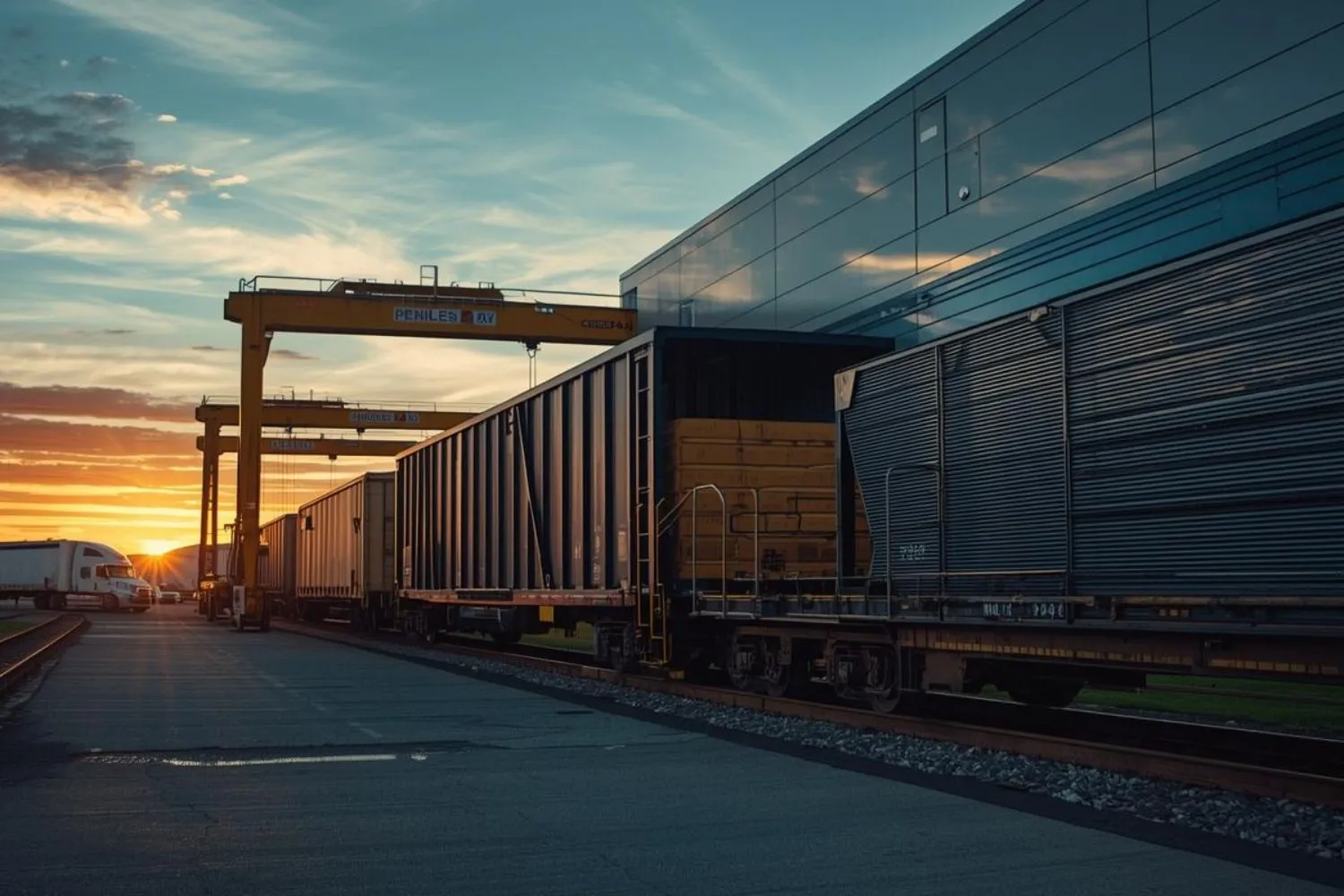
Intermodal freight moves shipments using a combination of rail and truck—typically with a container or trailer that transfers between modes—so you get rail efficiency for long miles and truck flexibility for pickup and delivery.
It’s commonly used on longer lanes where cost control and capacity stability matter, especially for shippers who can trade a little transit time variability for savings, sustainability gains, and more predictable access to equipment and drivers.


Why Intermodal Services Matter for Your Supply Chain
Reduce long-haul transportation cost versus over-the-road truckload
Lower emissions by shifting miles from truck to rail
Improve capacity access when truck markets tighten
Add network resilience with multi-mode routing options
Stabilize service with planned schedules and cutoffs
What AZL Provides with Intermodal Freight
A single team to manage rail, drayage, visibility, and exceptions—so intermodal runs like one coordinated move.
Our Approach
AZL designs lane-specific intermodal plans around ramps, cutoffs, equipment availability, and delivery requirements—then manages execution across every handoff so you avoid “rail vs. truck” finger-pointing.
Technology & Visibility Features
Shipments are tracked across both modes with milestone-based updates and exception alerts, with the option to align data into your transportation management system (TMS) workflows (including Turvo and Tai TMS during transitions).
Capabilities Included
We handle quoting, equipment planning, drayage coordination to and from rail ramps, appointment scheduling, carrier communication, and end-to-end shipment management through delivery.
Performance Standards
ProcessHow Intermodal Services Work
Lane & Equipment Planning
Confirm lane, service targets, ramps, cutoffs, equipment type, and pricing.
Rail + Dray Coordination
Coordinate origin dray to ramp, rail linehaul, and destination dray to final delivery.
Track & Exception Management
Monitor milestones, escalate issues fast, and close out with delivery confirmation.
Who Are Alpha Zero Intermodal Services Best For?
Shippers moving consistent freight on long-haul lanes between major markets.
Teams looking to reduce transportation spend without sacrificing control and visibility.
Companies with sustainability goals tied to lower transportation emissions.
Operations that need more dependable capacity during tight truckload conditions.
Freight profiles that can tolerate some transit variability compared to truck-only moves.
Case StudiesProven Across Industries. Trusted at Scale.
Alpha Zero's Impact:
- 13% freight cost reduction87%
- 97% on-time performance97%
Automotive Recycling & Industrial Materials Company
~200 shipments / monthPrimary transportation partner managing inbound FTL and LTL freight from supplier networks and outbound LTL distribution to customers nationwide.
Aerospace Manufacturing
~500 shipments / month across 15+ U.S. sitesFTL, LTL, and flatbed freight supporting highly specialized aerospace operations with strict service, equipment, and scheduling requirements.
Alpha Zero's Impact:

%
Temperature Compliance
Specialty Metals & Advanced Manufacturing
2,000+ loads annuallyTemperature-sensitive and standard freight managed across a rapidly expanding network following multiple facility acquisitions.
FAQsCommon Questions About Intermodal Services
Quick answers to the questions shippers ask when evaluating intermodal for their network.
What shipments are a good fit for intermodal freight?
Freight that moves long distances on repeatable lanes, is not ultra time-critical, and benefits from lower cost and improved capacity options is often a strong fit.
How does intermodal compare to truckload transit time?
Intermodal can be comparable on some lanes but often has more variability due to ramp cutoffs, rail dwell time, and network congestion—AZL plans around those constraints and manages exceptions early.
Do I need containers, chassis, or special equipment?
How is tracking handled when the shipment switches from truck to rail?
AZL tracks the shipment across both modes using milestone-based visibility and communicates status changes and exceptions through one coordinated workflow.
Can intermodal help with sustainability goals?
Yes—shifting long-haul miles from truck to rail can reduce transportation emissions, and AZL can help you prioritize lanes where that tradeoff makes operational sense.
ServicesRelated Logistics Services
All Freight Brokerage Services
End-to-end management of your transportation program—planning, execution, and continuous improvement—so your dedicated account team can run every lane to a defined playbook.
Rail Freight Logistics
Rail solutions for long-haul lanes that pair naturally with intermodal strategies when you want lower cost and reduced emissions without losing coordination.
Heavy Haul & Flatbed
Full truckload coverage when you need faster point-to-point transit or a truck-only option on lanes where intermodal isn’t the best fit.
Let's Talk About Your Transportation Operation
Our brokerage team is ready to support your lanes with dependable carriers, real-time visibility, and hands-on execution.